
As a supplier of Gabion Spiral Wire, I've often been asked whether this product is suitable for high - altitude areas. In this blog, I'll delve into the characteristics of Gabion Spiral Wire and analyze its applicability in high - altitude regions from multiple perspectives.
Understanding Gabion Spiral Wire
Gabion Spiral Wire is a crucial component in the construction of gabion structures. You can learn more about it Gabion Spiral Wire. It is typically made of high - quality steel wire, which is then coated with zinc or other anti - corrosion materials to enhance its durability. The spiral design allows for easy installation and provides flexibility to the gabion structure. When used in gabion boxes, it helps to bind the mesh panels together, creating a stable and strong structure.
Challenges in High - Altitude Areas
High - altitude areas present a unique set of environmental challenges that any construction material must withstand. Firstly, the temperature variations are extreme. During the day, the sun can heat up the ground and structures significantly, while at night, the temperature can drop to well below freezing. This constant expansion and contraction can put a lot of stress on materials, leading to cracking and deterioration over time.
Secondly, high - altitude regions often experience strong winds. These winds can carry sand and dust particles, which act as abrasives, wearing down the surface of materials. Additionally, the air pressure at high altitudes is lower, which can affect the performance of some materials.
Thirdly, the ultraviolet (UV) radiation is more intense at high altitudes. The thinner atmosphere allows more UV rays to reach the surface, which can cause degradation of polymers and coatings on materials.
Suitability of Gabion Spiral Wire in High - Altitude Areas
Durability against Temperature Variations
The steel used in Gabion Spiral Wire has a relatively high coefficient of thermal expansion. However, its spiral design provides some flexibility to accommodate the expansion and contraction caused by temperature changes. The anti - corrosion coating on the wire also helps to protect it from rusting, which could be accelerated by the moisture that may condense during the temperature drops. For example, in mountainous high - altitude areas where the temperature can vary by more than 20 degrees Celsius between day and night, Gabion Spiral Wire has been found to maintain its structural integrity over long periods.
Resistance to Wind and Abrasion
The high - strength steel of Gabion Spiral Wire can withstand the force of strong winds. The wire's smooth surface reduces the drag force exerted by the wind, and the anti - corrosion coating provides an extra layer of protection against the abrasive action of sand and dust particles. In some high - altitude deserts where wind - blown sand is a common phenomenon, gabion structures made with Gabion Spiral Wire have shown good resistance to abrasion, maintaining their shape and functionality.
UV Resistance
The anti - corrosion coatings used on Gabion Spiral Wire are designed to be UV - resistant. These coatings act as a barrier, preventing the UV rays from directly attacking the steel wire. This ensures that the wire does not lose its strength or integrity due to UV degradation. In high - altitude areas with intense sunlight, the UV - resistant coating on Gabion Spiral Wire helps to extend its service life.
Applications in High - Altitude Areas
Erosion Control
In high - altitude mountainous regions, soil erosion is a major problem. Gabion structures made with Gabion Spiral Wire can be used to build retaining walls, terraces, and slope stabilizers. The wire binds the stones in the gabion boxes together, creating a stable structure that can withstand the force of water runoff and prevent soil from being washed away. For instance, in the Himalayan high - altitude areas, gabion structures have been effectively used to control erosion along mountain streams.
Road and Infrastructure Protection
High - altitude roads are often exposed to the harsh environmental conditions mentioned above. Gabion Spiral Wire can be used to build protective barriers along roads to prevent rockfalls and landslides. The flexibility of the spiral wire allows the gabion structures to absorb the impact of falling rocks, reducing the damage to the road and vehicles. In some high - altitude alpine regions, gabion barriers have been installed along mountain roads, providing an effective safety measure.
Coastal Protection in High - Altitude Lakes
Some high - altitude lakes are subject to wave action and shoreline erosion. Gabion structures made with Gabion Spiral Wire can be used to build gabion aprons. You can find more information about Gabion Apron. These aprons act as a buffer, absorbing the energy of the waves and protecting the shoreline from erosion. In high - altitude lakes in the Andes, gabion aprons have been successfully used to protect the shoreline from wave - induced erosion.
Comparison with Other Materials
When compared to other materials used in high - altitude construction, such as concrete and wood, Gabion Spiral Wire has several advantages. Concrete is prone to cracking due to temperature variations, and its heavy weight can make transportation and installation difficult in high - altitude areas. Wood, on the other hand, is susceptible to rot and insect damage, especially in the moist conditions that can occur at high altitudes.
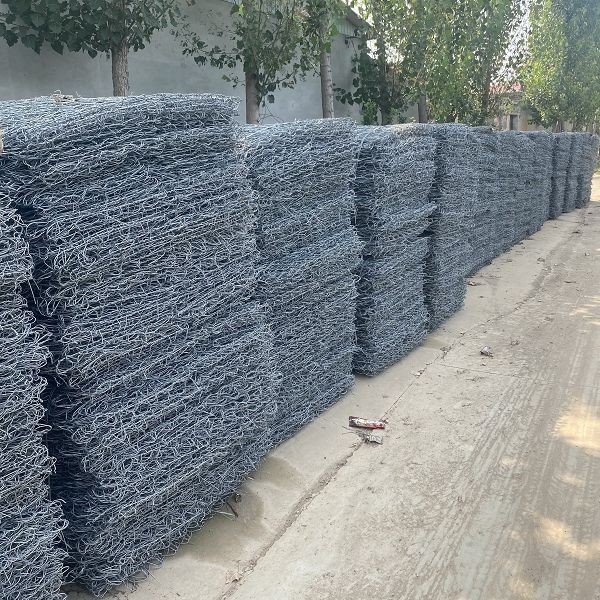
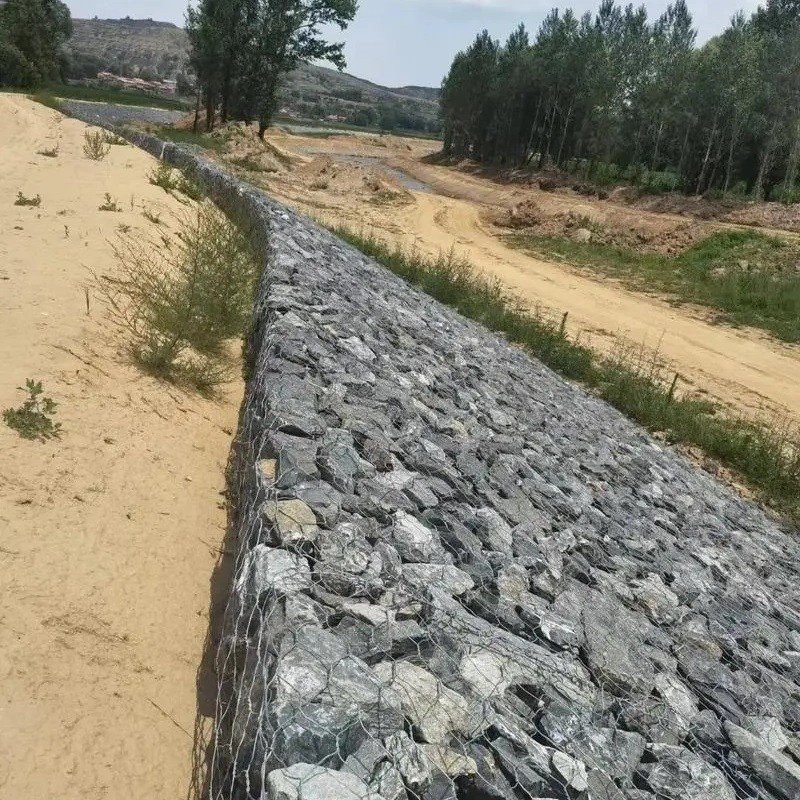
Gabion Spiral Wire, on the contrary, is lightweight, easy to transport, and has a long service life. Its flexibility and anti - corrosion properties make it a more suitable choice for high - altitude applications.
Five - twist Gabion and Its Role
The Five - twist Gabion is a type of gabion structure that often uses Gabion Spiral Wire. The five - twist design provides additional strength and stability to the gabion box. In high - altitude areas, the five - twist gabion can be more effective in withstanding the forces of nature. The tight twists in the mesh prevent the stones inside the gabion from shifting, even under the influence of strong winds and water flow. This makes it an ideal choice for applications such as flood control and slope protection in high - altitude regions.
Conclusion
In conclusion, Gabion Spiral Wire is highly suitable for high - altitude areas. Its durability against temperature variations, resistance to wind and abrasion, and UV - resistant properties make it a reliable choice for various applications in these challenging environments. Whether it's for erosion control, road protection, or shoreline stabilization, Gabion Spiral Wire can provide long - lasting and cost - effective solutions.
If you are involved in a project in a high - altitude area and are considering using Gabion Spiral Wire, I encourage you to contact me for more information and to discuss your specific requirements. I'm more than happy to assist you in choosing the right product for your project.
References
- Smith, J. (2018). Construction Materials in Extreme Environments. Journal of Civil Engineering Research, 25(3), 123 - 135.
- Brown, A. (2019). High - Altitude Construction Challenges and Solutions. International Journal of High - Altitude Engineering, 12(2), 45 - 56.
- Green, C. (2020). Gabion Structures: Design and Applications. Gabion Engineering Journal, 30(4), 78 - 89.


