
Installing reinforced gabion mesh correctly is crucial for ensuring the longevity and effectiveness of your project. As a leading reinforced gabion mesh supplier, we have extensive experience in providing high - quality products and guiding our customers through the installation process. In this blog, we'll share detailed steps and tips on how to install reinforced gabion mesh correctly.
Understanding Reinforced Gabion Mesh
Before we dive into the installation process, it's important to understand what reinforced gabion mesh is. Reinforced gabion mesh is a type of wire mesh structure that is typically made from high - tensile steel wire. It is often used in erosion control, retaining walls, and landscaping projects. The reinforcement is added to enhance the structural integrity of the gabion, making it capable of withstanding greater forces.
There are different types of wire mesh used in gabion construction, such as Five - twist Gabion and Double Twisted Wire Mesh. Five - twist gabion offers excellent stability, while double - twisted wire mesh is known for its flexibility and resistance to breakage.
Site Preparation
The first step in installing reinforced gabion mesh is site preparation. This involves:
- Surveying the Site: Use professional surveying equipment to measure the area where the gabion mesh will be installed. Check the terrain for any slopes, unevenness, or obstacles. Make sure to mark the boundaries of the installation area clearly.
- Clearing the Area: Remove any vegetation, rocks, or debris from the site. This will ensure a smooth and level surface for the gabion installation. In some cases, you may need to grade the ground to achieve the desired slope for proper drainage.
- Installing a Geotextile Layer (Optional): Depending on the project requirements, laying a geotextile layer on the prepared ground can provide additional filtration and prevent soil erosion. Place the geotextile evenly across the site and secure it with stakes or adhesive.
Assembly of Gabion Cages
Reinforced gabion mesh usually comes in pre - fabricated gabion cages. Here's how to assemble them:
- Unroll the Mesh: Carefully unroll the reinforced gabion mesh on a flat surface. Make sure to avoid any sharp objects that could damage the mesh during this process.
- Form the Cage: Fold the mesh into the desired cage shape according to the design specifications. Use ties or clips to secure the edges and corners of the cage. It's essential to ensure that the connections are tight and secure to maintain the structural integrity of the cage.
- Add Reinforcements (If Required): Some gabion cages may require additional reinforcements, such as internal diaphragms or external support wires. Follow the manufacturer's instructions to install these reinforcements correctly.
Placement of Gabion Cages
Once the gabion cages are assembled, it's time to place them on the prepared site:
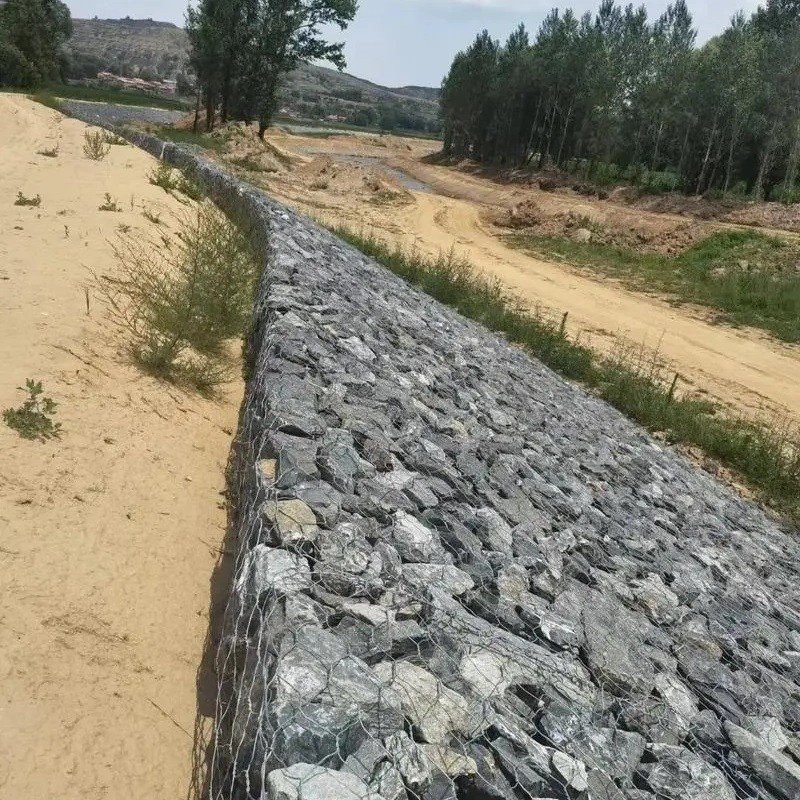

- Positioning the First Layer: Start by placing the first layer of gabion cages at the base of the installation area. Ensure that the cages are aligned properly and close to each other. Use a spirit level to check the horizontal and vertical alignment of the cages.
- Filling the Cages: Fill the gabion cages with suitable stones or rocks. The stones should be of appropriate size, typically ranging from 4 - 6 inches in diameter, to ensure proper compaction and stability. Use a front - end loader or a conveyor belt to fill the cages evenly. As you fill the cage, make sure to compact the stones gently to minimize voids.
- Stacking Additional Layers: Once the first layer is filled, stack the next layer of gabion cages on top. Stagger the joints between the layers to increase the overall strength of the structure. Secure the adjacent cages together using wire ties or clips.
- Building the Structure: Continue the process of filling and stacking gabion cages until you reach the desired height. For Gabion Cage Retaining Wall projects, you may need to install drainage pipes at regular intervals to prevent water pressure buildup behind the wall.
Securing the Structure
To ensure the stability of the reinforced gabion mesh structure, the following steps are necessary:
- Tying the Cages Together: Use galvanized steel wire or clips to tie the adjacent gabion cages securely. Make multiple connections around the perimeter and at the joints of the cages. This will prevent the cages from separating under stress.
- Anchoring the Structure: In windy or high - load areas, it may be necessary to anchor the gabion structure to the ground. Use steel stakes or concrete anchors to secure the bottom layer of the gabion cages firmly to the ground.
- Finishing Touches: After the structure is fully assembled and secured, check for any loose stones or wires. Trim any excess wire and smooth out the surface of the gabion structure. You can also add a top layer of smaller stones or a soil cover for aesthetic purposes.
Maintenance and Inspection
Proper maintenance and inspection are essential for the long - term performance of the reinforced gabion mesh structure:
- Regular Inspections: Conduct regular inspections of the gabion structure, especially after heavy rainfall, storms, or seismic events. Check for any signs of damage, such as loose wires, displaced stones, or erosion.
- Repairs: If any damage is detected, repair it immediately. Replace any damaged wires or stones and re - secure the connections. For minor damage, you can use additional wire ties or clips to reinforce the structure.
- Vegetation Management: If the gabion structure is in a landscape where vegetation is present, manage it carefully. Overgrown vegetation can cause damage to the mesh and reduce the effectiveness of the structure. Remove any plants growing on or near the gabion that could cause damage.
Conclusion
Installing reinforced gabion mesh correctly is a multi - step process that requires careful planning, precise execution, and regular maintenance. By following the steps outlined in this blog, you can ensure the successful installation and long - term performance of your gabion project.
As a trusted reinforced gabion mesh supplier, we offer a wide range of high - quality products to meet your specific needs. Whether you are working on a small landscaping project or a large - scale infrastructure development, our team of experts is ready to provide you with the best solutions and support.
If you are interested in purchasing reinforced gabion mesh or need more information about the installation process, please feel free to reach out to us. We look forward to working with you on your next project.
References
- Engineering Manuals for Gabion Structures, Government Publishing Office
- Textbooks on Geotechnical Engineering and Erosion Control
- Industry Standards and Guidelines for Gabion Mesh Installation


