
In the field of civil engineering and environmental protection, gabion sacks have emerged as a popular solution for various applications. As a supplier of gabion sacks, I often encounter questions about their environmental friendliness. This blog post aims to delve into this topic, exploring the environmental aspects of gabion sacks from multiple perspectives.
What are Gabion Sacks?
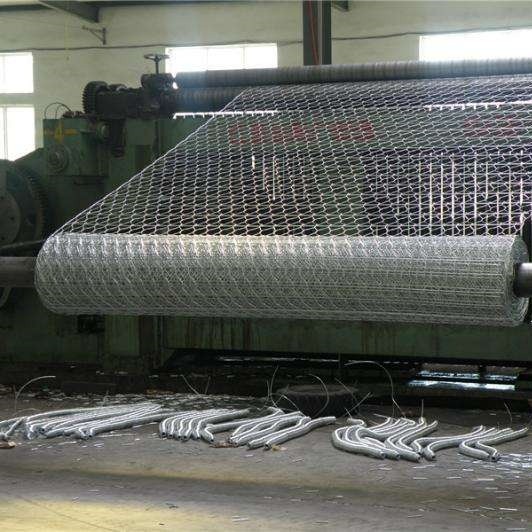
Gabion sacks are wire mesh containers filled with stones, rocks, or other suitable materials. They are commonly used for erosion control, retaining walls, slope stabilization, and riverbank protection. The wire mesh is typically made of galvanized steel or coated with PVC to enhance its durability and resistance to corrosion. There are different types of gabion products, such as Reinforced Gabion Mesh, Gabion Mat, and Reinforced Gabion, each designed to meet specific engineering requirements.
Environmental Advantages of Gabion Sacks
1. Natural and Sustainable Materials
One of the primary environmental benefits of gabion sacks is the use of natural materials. The stones or rocks filled inside the wire mesh are abundant in nature and can be sourced locally in many cases. This reduces the need for long - distance transportation of construction materials, thereby minimizing carbon emissions associated with transportation. Moreover, using natural stones helps to preserve non - renewable resources that would otherwise be used in the production of traditional construction materials like concrete.
2. Permeability and Water Management
Gabion structures are permeable, allowing water to pass through them. This is crucial for maintaining natural water flow and preventing the build - up of hydrostatic pressure. In flood control applications, gabion walls can absorb and dissipate the energy of floodwaters, reducing the risk of flooding and protecting adjacent areas. They also help in groundwater recharge by allowing rainwater to seep into the ground, which is beneficial for maintaining the water table and supporting local ecosystems.
3. Habitat Creation
Gabion structures can provide habitats for various plants and animals. The crevices and spaces between the stones offer shelter and nesting sites for small mammals, reptiles, and insects. Over time, vegetation can grow on and around the gabion structures, further enhancing the ecological value. This is particularly important in urban and industrial areas where natural habitats have been fragmented or destroyed. The growth of vegetation also helps to improve air quality by absorbing pollutants and releasing oxygen.
4. Long - term Durability
Gabion sacks are known for their long - term durability. The galvanized or PVC - coated wire mesh can withstand harsh environmental conditions, including corrosion, weathering, and mechanical stress. This means that gabion structures do not need to be replaced frequently, reducing the overall environmental impact associated with the construction and demolition of infrastructure. A well - designed and installed gabion structure can last for decades, providing a sustainable solution for erosion control and other engineering applications.
Potential Environmental Concerns
1. Mining and Quarrying
The extraction of stones for gabion filling can have environmental impacts. Mining and quarrying operations can cause habitat destruction, soil erosion, and water pollution. However, if proper regulations and best practices are followed, these impacts can be minimized. For example, quarries can be rehabilitated after the extraction process to restore the land to its natural state or convert it into a new habitat. Additionally, using recycled or waste stones can be an alternative to reduce the demand for newly quarried materials.
2. Chemical Coating
The wire mesh of gabion sacks is often coated with chemicals such as zinc (galvanization) or PVC to prevent corrosion. While these coatings are essential for the durability of the gabion, there are concerns about the potential release of these chemicals into the environment over time. However, modern coating technologies are designed to be stable and have a low leaching rate. Additionally, strict environmental regulations govern the use of these coatings to ensure that they do not pose a significant risk to the environment.
3. Energy Consumption in Production
The production of wire mesh for gabion sacks requires energy, mainly for the manufacturing and processing of steel. This energy consumption contributes to greenhouse gas emissions. However, advancements in manufacturing technology have led to more energy - efficient production processes. Some manufacturers are also exploring the use of renewable energy sources in their production facilities to reduce their carbon footprint.
Mitigating Environmental Concerns
1. Sustainable Sourcing
As a gabion sack supplier, we are committed to promoting sustainable sourcing of materials. We work with suppliers who follow responsible quarrying practices, such as minimizing habitat destruction, implementing reclamation plans, and using water treatment systems to prevent pollution. We also encourage the use of recycled or waste stones whenever possible to reduce the environmental impact of stone extraction.

2. Environment - friendly Coatings
We are constantly researching and adopting new coating technologies that are more environmentally friendly. For example, some new coatings are made from natural or biodegradable materials that have a lower impact on the environment. These coatings still provide the necessary corrosion protection while reducing the potential for chemical release.
3. Energy - efficient Manufacturing
We are investing in energy - efficient manufacturing processes to reduce the energy consumption and carbon emissions associated with the production of gabion sacks. This includes upgrading our machinery to more energy - efficient models and implementing energy management systems in our factories.
Conclusion
In conclusion, gabion sacks are generally environmentally friendly construction materials when used and managed properly. Their use of natural materials, permeability, habitat creation potential, and long - term durability offer significant environmental benefits. While there are some potential environmental concerns related to stone extraction, chemical coatings, and energy consumption in production, these can be mitigated through sustainable sourcing, the use of environment - friendly coatings, and energy - efficient manufacturing processes.
As a supplier of high - quality gabion sacks, we are dedicated to providing products that not only meet the engineering requirements of our customers but also contribute to environmental protection. If you are interested in purchasing gabion sacks for your project, whether it is for erosion control, retaining walls, or other applications, we would be more than happy to discuss your needs and provide you with the best solutions. Contact us to start a procurement discussion and find out how our gabion products can be a sustainable choice for your project.
References
- "Gabion Design Manual" by the Federal Highway Administration.
- "Environmental Impact Assessment of Construction Materials" by various authors in the Journal of Environmental Engineering.
- "Sustainable Civil Engineering Practices" edited by a group of civil engineering experts.


