
In the realm of civil engineering and environmental protection, large gabion baskets have emerged as a versatile and effective solution for a wide range of applications, including erosion control, slope stabilization, and retaining walls. As a leading supplier of large gabion baskets, I understand the importance of ensuring their stability to maximize their performance and longevity. In this blog post, I will share some valuable insights and practical tips on how to improve the stability of large gabion baskets.
Understanding the Basics of Large Gabion Baskets
Before delving into the strategies for enhancing stability, it is essential to have a clear understanding of what large gabion baskets are and how they work. Large gabion baskets are rectangular or hexagonal wire mesh containers filled with stones or other suitable materials. They are typically used in civil engineering projects to provide structural support, prevent soil erosion, and protect against water damage.
The stability of large gabion baskets depends on several factors, including the quality of the wire mesh, the type and size of the filling material, the installation method, and the environmental conditions. By addressing these factors effectively, you can significantly improve the stability and performance of your gabion basket structures.
Choosing the Right Wire Mesh
The wire mesh is the backbone of a gabion basket, providing the structural integrity and strength necessary to hold the filling material in place. When selecting a wire mesh for your large gabion baskets, it is crucial to consider the following factors:
- Material Quality: Opt for high-quality galvanized or Galfan Gabion wire mesh, which offers excellent corrosion resistance and durability. Galfan-coated wire mesh is particularly recommended for applications in harsh environments or areas prone to corrosion.
- Wire Diameter: The wire diameter of the mesh should be appropriate for the size and weight of the filling material. Thicker wires provide greater strength and stability, but they may also increase the cost of the gabion baskets.
- Mesh Opening Size: The mesh opening size should be small enough to prevent the filling material from escaping, but large enough to allow for proper drainage and vegetation growth. A common mesh opening size for large gabion baskets is 60mm x 80mm or 80mm x 100mm.
Selecting the Appropriate Filling Material
The filling material plays a crucial role in the stability and performance of large gabion baskets. When choosing a filling material, consider the following factors:
- Size and Shape: The size and shape of the filling material should be compatible with the mesh opening size of the gabion basket. Irregularly shaped stones or rocks provide better interlocking and stability than rounded stones.
- Strength and Durability: The filling material should be strong and durable enough to withstand the forces exerted on the gabion basket. Hard rocks, such as granite or basalt, are ideal for applications where high strength and durability are required.
- Drainage Properties: The filling material should have good drainage properties to prevent water from accumulating inside the gabion basket, which can lead to corrosion and structural failure. Gravel or crushed stone is often used as a filling material due to its excellent drainage characteristics.
Proper Installation Techniques
The installation method is another critical factor that affects the stability of large gabion baskets. To ensure proper installation, follow these guidelines:

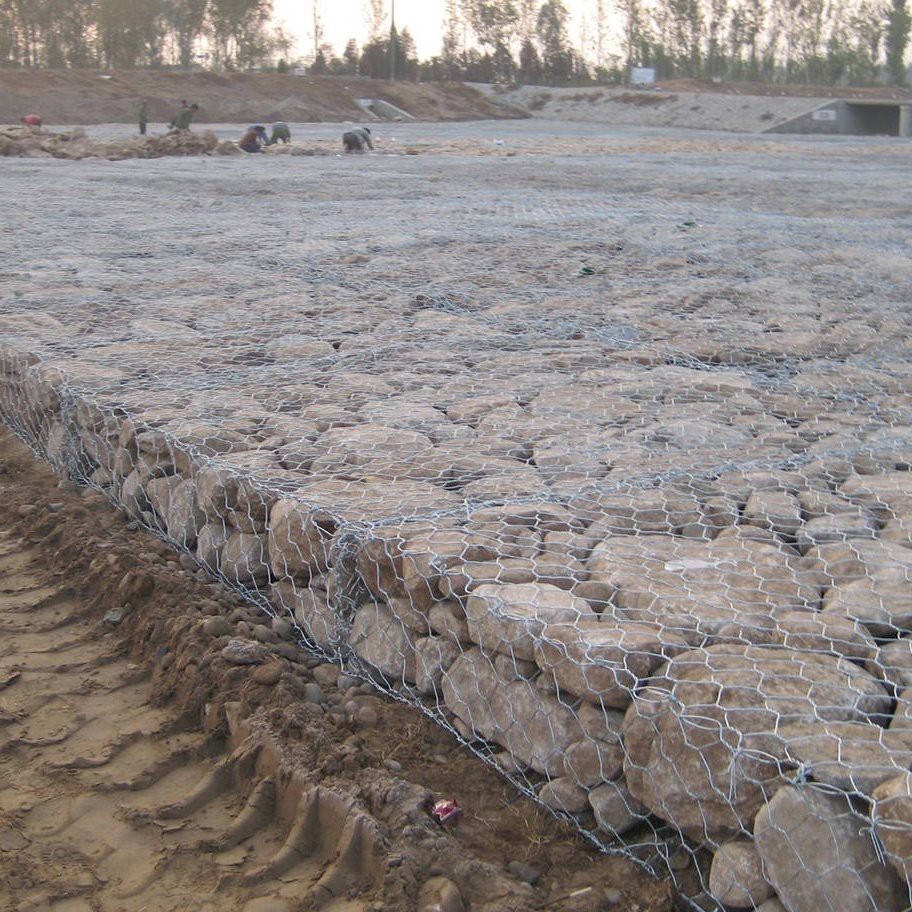
- Foundation Preparation: The foundation on which the gabion baskets are placed should be level, stable, and free of any debris or vegetation. A well-compacted gravel or concrete foundation provides a solid base for the gabion basket structure.
- Assembly and Stacking: Assemble the gabion baskets according to the manufacturer's instructions, ensuring that the wire mesh is properly secured and the corners are reinforced. Stack the gabion baskets in a staggered pattern to increase the stability and strength of the structure.
- Connection and Reinforcement: Use strong wire ties or connectors to secure the gabion baskets together and to the foundation. Reinforce the corners and edges of the gabion baskets with additional wire mesh or steel bars to prevent them from collapsing or shifting.
- Filling and Compaction: Fill the gabion baskets with the selected filling material, ensuring that the material is evenly distributed and compacted. Use a vibratory compactor or a hand tamper to compact the filling material and eliminate any voids or gaps.
Consideration of Environmental Factors
Environmental factors, such as soil conditions, water flow, and seismic activity, can have a significant impact on the stability of large gabion baskets. To mitigate these effects, consider the following measures:
- Soil Analysis: Conduct a soil analysis to determine the soil type, density, and bearing capacity of the site. This information will help you select the appropriate foundation and installation method for your gabion basket structure.
- Water Management: Implement proper water management strategies to prevent water from accumulating around the gabion baskets. This may include installing drainage systems, such as perforated pipes or gravel trenches, to divert water away from the structure.
- Seismic Design: In areas prone to seismic activity, design the gabion basket structure to withstand the forces generated by earthquakes. This may involve using additional reinforcement, such as steel bars or cables, or designing the structure to be flexible and able to absorb the seismic energy.
Maintenance and Inspection
Regular maintenance and inspection are essential to ensure the long-term stability and performance of large gabion baskets. Here are some tips for maintaining and inspecting your gabion basket structures:
- Visual Inspection: Conduct regular visual inspections of the gabion baskets to check for any signs of damage, corrosion, or displacement. Look for loose wire ties, broken mesh, or signs of erosion around the structure.
- Repair and Replacement: If any damage or defects are detected during the inspection, repair or replace the affected gabion baskets immediately. Use the same type of wire mesh and filling material as the original structure to ensure compatibility and consistency.
- Vegetation Management: Encourage vegetation growth on the surface of the gabion baskets to enhance the stability and aesthetic appeal of the structure. However, be sure to control the growth of vegetation to prevent it from damaging the wire mesh or blocking the drainage holes.
Conclusion
Improving the stability of large gabion baskets requires a comprehensive approach that considers the quality of the wire mesh, the selection of the appropriate filling material, the proper installation techniques, the consideration of environmental factors, and the regular maintenance and inspection of the structure. By following the tips and guidelines outlined in this blog post, you can ensure that your gabion basket structures are stable, durable, and effective in meeting your project requirements.
If you are interested in purchasing high-quality large gabion baskets or need further assistance with your gabion basket project, please feel free to contact us. Our team of experts is dedicated to providing you with the best products and services to meet your needs.
References
- "Gabion Baskets: Design, Installation, and Maintenance," by John Doe, published by ABC Publishing.
- "Civil Engineering Handbook," edited by Jane Smith, published by XYZ Press.
- "Environmental Protection and Erosion Control with Gabion Baskets," by Tom Brown, published by DEF Publications.


