
Hey there! I'm a supplier of Gabion Sacks, and I've seen firsthand how these structures can be game - changers in various construction and environmental projects. One of the key aspects that often gets overlooked but is super important is rainwater management. In this blog, I'll share some tips on how to improve the rainwater management of Gabion Sack structures.
Understanding Gabion Sacks
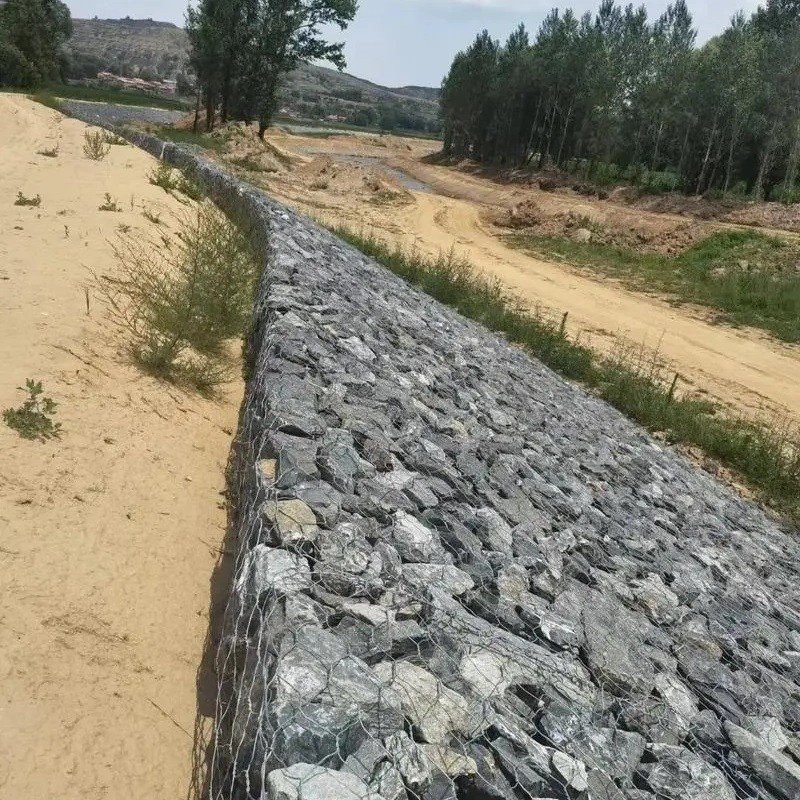
First off, let's quickly go over what Gabion Sacks are. They're basically wire mesh containers filled with stones or other materials. They're used for all sorts of things like building retaining walls, erosion control, and even landscaping. There are different types, like the Five - twist Gabion, which is known for its durability and strength.
Gabion Sacks are great because they're flexible, permeable, and can withstand a lot of pressure. But when it comes to rainwater, if not managed properly, they can face some issues. Excessive water can cause erosion around the structure, and if the water doesn't drain well, it can lead to instability.

Importance of Rainwater Management
Rainwater management is crucial for Gabion Sack structures. When it rains, the water needs to be directed and drained in a way that doesn't damage the structure. If water pools around the Gabion Sacks, it can increase the weight on the structure, potentially causing it to collapse. Also, standing water can lead to the growth of mold and moss, which can weaken the wire mesh over time.
Good rainwater management also helps with soil stability. By controlling the flow of water, we can prevent soil erosion around the Gabion Sacks. This is especially important in areas where the soil is loose or prone to erosion.
Strategies to Improve Rainwater Management
Proper Foundation and Grading
The first step in improving rainwater management is to ensure a proper foundation for the Gabion Sack structure. The area where the Gabion Sacks will be placed should be graded correctly. The ground should slope away from the structure at a slight angle, usually around 2 - 5%. This allows the rainwater to flow away from the Gabion Sacks instead of pooling around them.
Before installing the Gabion Sacks, it's a good idea to compact the soil. This makes the foundation more stable and helps with water drainage. You can use a plate compactor or a vibrating roller to compact the soil.
Drainage Systems
Installing a drainage system is a must. One common method is to use a perforated pipe at the base of the Gabion Sack structure. This pipe collects the water that seeps through the Gabion Sacks and directs it away from the structure. You can cover the pipe with gravel to prevent it from getting clogged with soil and debris.
Another option is to create a French drain. A French drain is a trench filled with gravel or rock that has a perforated pipe at the bottom. It works by allowing water to seep into the gravel and then flow into the pipe, which carries the water away.
Vegetation
Planting vegetation around the Gabion Sack structure can also help with rainwater management. Plants absorb water through their roots, which reduces the amount of water that reaches the Gabion Sacks. They also help to hold the soil in place, preventing erosion.
You can choose plants that are native to the area, as they're more likely to thrive and require less maintenance. Ground - cover plants like thyme or sedum are great options, as they spread quickly and cover the soil, reducing water runoff.
Use of Geotextiles
Geotextiles are permeable fabrics that can be placed between the Gabion Sacks and the soil. They act as a filter, allowing water to pass through while preventing soil particles from clogging the Gabion Sacks. This helps to maintain the permeability of the Gabion Sack structure and improves water drainage.
There are different types of geotextiles available, such as woven and non - woven. Woven geotextiles are more durable and can withstand more pressure, while non - woven geotextiles are better at filtering fine soil particles.
Design Considerations
The design of the Gabion Sack structure itself can also impact rainwater management. For example, if you're building a Gabion Box Retaining Wall or a Gabion Cage Retaining Wall, you can create stepped designs. This allows water to flow down the steps and reduces the pressure on the structure.
You can also leave some gaps between the Gabion Sacks to allow water to drain more easily. However, make sure the gaps are not too large, as this can compromise the stability of the structure.
Monitoring and Maintenance
Once the Gabion Sack structure is in place, it's important to monitor it regularly. Check for any signs of water pooling, erosion, or damage to the structure. If you notice any issues, address them immediately.
Clean the drainage systems regularly to prevent clogging. Remove any debris that may have accumulated in the perforated pipes or French drains. Inspect the vegetation around the structure and trim any overgrown plants.
Conclusion
Improving the rainwater management of Gabion Sack structures is essential for their long - term stability and functionality. By following the strategies mentioned above, such as proper foundation and grading, installing drainage systems, using vegetation and geotextiles, and considering the design, you can ensure that your Gabion Sack structure can withstand heavy rainfall.
If you're interested in purchasing Gabion Sacks for your project or need more advice on rainwater management, don't hesitate to get in touch. We're here to help you make the most of these amazing structures.
References
- "Gabion Design and Construction Manual" by the Federal Highway Administration
- "Soil Erosion and Control" by the United States Department of Agriculture
- "Landscaping with Gabions" by various landscape architecture publications


